
Cuba is going dark under US pressure. How the crisis unfolded and why its troubles are far from over
Cuba is going dark under US pressure. How the crisis unfolded and why its troubles are far from over
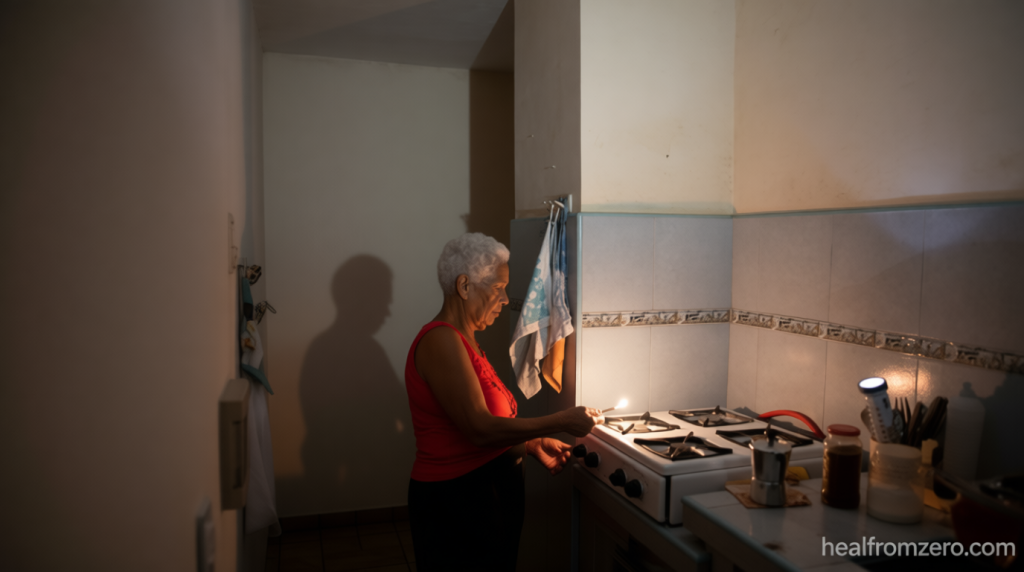
Three months into the US-led oil embargo on Cuba, the island’s energy shortages have intensified, creating a cascade of societal challenges. Trash accumulates on Havana’s streets, hospital operations are constrained, and citizens rely on wood fires to heat water. Power outages, once sporadic, now dominate daily life, with nearly every sector of Cuban society feeling the strain.
The Blockade’s Impact
The US has enforced a strict oil cutoff since early January, disrupting Cuba’s primary energy source. Venezuela, Cuba’s main supplier, was targeted after a military raid led to the arrest of its leader, forcing the acting government to suspend shipments. Other nations, including Mexico, also halted oil exports following US threats of new tariffs, citing Havana’s alignment with “hostile countries and malign actors” that host military and intelligence operations. Cuba disputes these claims.
This shortage has deepened the nation’s energy crisis, which was already persistent. President Miguel Díaz-Canel noted that power outages have worsened in the first few months of the year, with service interruptions becoming routine. Plants lack sufficient fuel, leading to frequent disruptions. On Monday, the island faced its first nationwide blackout since the embargo began, marking a critical moment in the ongoing crisis.
Service Strain and Adaptation
The fuel shortage extends beyond energy and water. Antonio Rodríguez Rodríguez, head of the National Institute of Hydraulic Resources (INRH), confirmed that water distribution faces challenges. The agency is exploring solar power solutions to reduce reliance on the electrical grid. Meanwhile, the Cuban government emphasizes efforts to boost domestic oil production to alleviate the shortage.
According to Díaz-Canel, the blackout crisis has stalled medical procedures, with thousands unable to access surgeries. In Havana, garbage trucks are grounded due to fuel constraints, resulting in streets overflowing with waste. Public transportation has also been scaled back, causing long waits and overcrowded buses. CNN has contacted the ministries of transportation and public health for updates on these disruptions.
Protests Emerge as a Response
The energy crisis has sparked rare public demonstrations. On March 7, Havana residents protested by banging pots and pans and lighting bonfires. Days later, students at the University of Havana held a peaceful march, citing power and internet outages as barriers to education. A further protest in Morón on March 18 saw demonstrators partially damaging the Communist Party’s local office, with five arrests reported.
“The humanitarian situation in Cuba was already extremely fragile, but the electricity crisis is pushing many essential services to the limit,” said Juanita Goebertus, HRW’s Americas director, in a statement to CNN. “People don’t have reliable access to drinking water, hospitals can’t operate safely, basic goods are becoming increasingly difficult to obtain, and garbage is piling up in the streets.”