
Police to use Thames to separate protesters at Al Quds protest
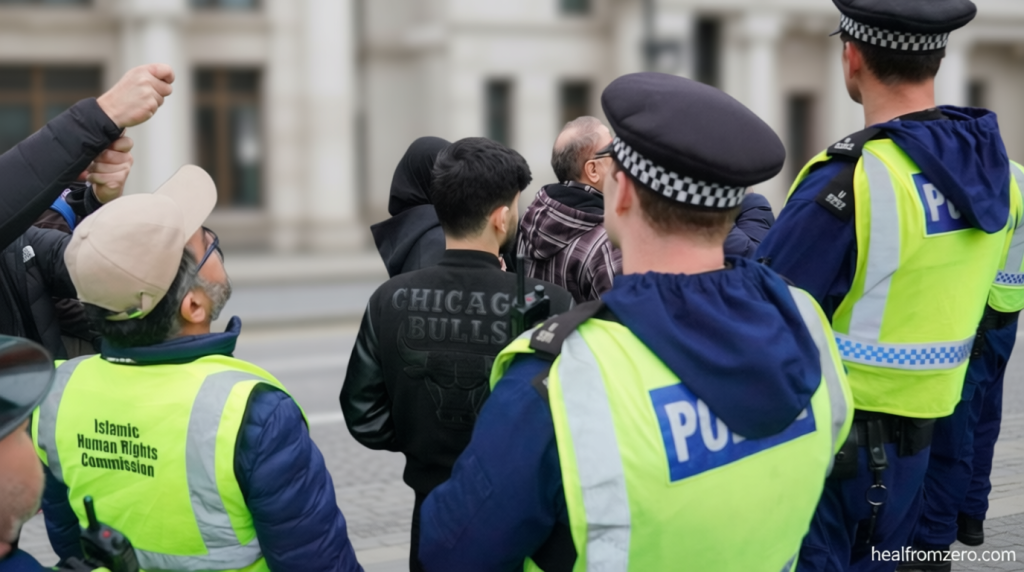
Police to use Thames to separate protesters at Al Quds protest
London’s police force has opted to employ the River Thames as a strategic barrier to divide demonstrators and counter-protesters during the Al Quds Day rally in central London on Sunday.
Banned March and Met’s Decision
A planned demonstration heading to the Home Office was halted early this week following approval from Home Secretary Shabana Mahmood for the Metropolitan Police to intervene and avert “serious public disorder.” The Met cited community tensions and historical context of the Al Quds rally as key reasons for the ban, marking the first such action in 14 years.
The Islamic Human Rights Commission (IHRC), which organized the event, claims the protest will proceed as a “static” gathering, asserting the ban was a “politically motivated choice.” They describe it as a peaceful, pro-Palestinian initiative.
Policing Strategy and Event Details
Assistant Commissioner Ade Adelekan highlighted the use of the Thames as a “new bespoke tactic” to manage the “unique set of circumstances” at the Al Quds rally. The Met anticipates at least 6,000 attendees for the event and an equal number of counter-protesters, though they cautioned that “significantly more” could show up due to ongoing regional instability.
Protesters will gather on Albert Embankment south of the river, while counter-protesters will be confined to Millbank. Lambeth and Vauxhall Bridges will remain closed to all vehicles except emergency services.
Force Deployment and Enforcement
Over 1,000 officers, including community police and support from other forces, will oversee the demonstration. Additional patrols will be stationed at locations frequented by Jewish communities across London.
“Officers on the ground will be briefed to act decisively,” Adelekan stated, emphasizing measures against placards, flags, and chanting. The Met also confirmed a “zero tolerance approach” to hate crimes, with arrests possible for anyone backing proscribed groups.
While acknowledging the ban doesn’t fully eliminate disorder risks, Adelekan argued it will “immeasurably ease policing” efforts.
Historical Context
The tradition of Al Quds Day began after the 1979 Iranian Revolution and is traditionally observed on the final Friday of Ramadan. Global marches are held to express solidarity with Palestine, according to the IHRC.