
Diabetics who rely on glucose monitors are alarmed by recall linked to 7 deaths
Diabetics who rely on glucose monitors are alarmed by recall linked to 7 deaths
Michael Ford, a 68-year-old man with Type 2 diabetes, depended on a glucose monitoring system to manage his condition. His son, Davonte Ford, served as his primary caregiver, handling daily tasks like bathing, medication, and adjusting to blood sugar fluctuations. One November morning, the pair woke to a low blood sugar alert from Michael’s FreeStyle Libre 3 Plus sensor, part of Abbott’s advanced glucose tracking technology. Davonte acted on the reading, providing fast-acting carbohydrates as instructed by his father’s doctors.
Eight days later, Abbott issued a critical warning about potential false low readings from its FreeStyle Libre 3 and Libre 3 Plus sensors. The company reported seven deaths and over 730 serious injuries globally, though Michael’s death wasn’t included in the tally. His sensor, from a recalled batch, had a unique serial number excluded from the recall list. Davonte, now 25, filed a lawsuit claiming the device’s readings were “catastrophically inaccurate,” leading to his father’s critical condition.
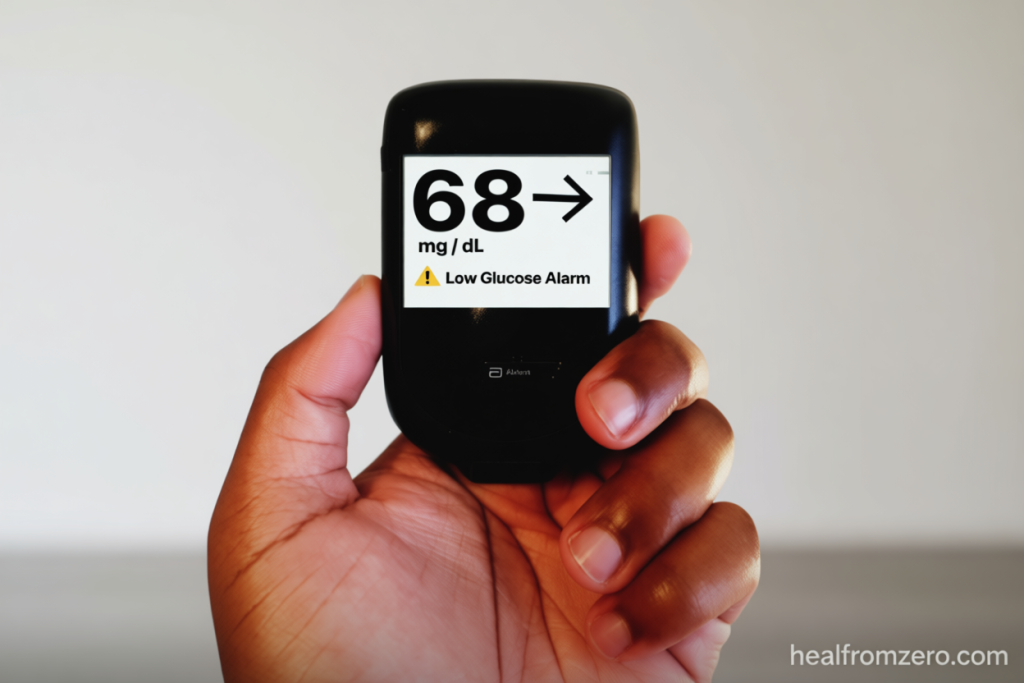
Michael’s blood sugar levels, according to his monitor, stayed near 68 mg/dL. Davonte tried remedies like coffee with sugar and a sweetened tea, but the levels fluctuated without improvement. By the time paramedics arrived, Michael’s actual blood sugar was 551 mg/dL, more than triple the expected range. “My heart just dropped,” Davonte recalled. “Obviously, there’s a problem here.”
The incident highlights the risks of relying on continuous glucose monitors (CGMs), which have transformed diabetes management. However, when these devices malfunction, they can endanger both physical and mental well-being. Abbott’s recall has sparked at least three class action lawsuits in the U.S., alongside Davonte’s wrongful death claim. Others in California, Washington, and North Carolina plan to sue over similar injuries, as attorneys question whether the recall fully addressed all affected units.
Abbott spokesperson Lindsy Delco told NBC News the company was “deeply saddened” by Michael’s passing and emphasized its commitment to investigating all adverse events. She noted not every sensor in the recalled lots was faulty, and not all incidents are tied to the recall. Faulty readings, she explained, stemmed from a production issue that was swiftly resolved. The company has yet to respond to Davonte’s lawsuit.
Dr. Amy Warriner, an endocrinologist at the University of Alabama at Birmingham, called CGMs a “complete game changer” when they were introduced over 20 years ago. These devices, which measure blood sugar levels in subcutaneous fluid, replaced the need for frequent finger sticks. Yet, the recent recall has raised concerns about their reliability and the broader implications for patients trusting technology to manage their health.