
Oil prices fall as Trump floats possible sanctions relief
Oil prices fall as Trump floats possible sanctions relief
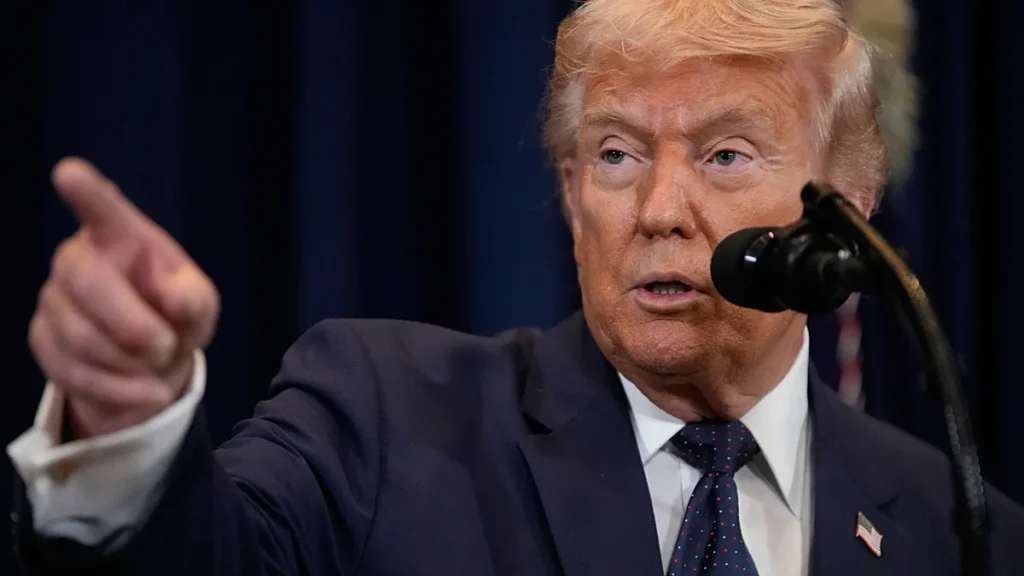
Following remarks from US President Donald Trump, oil prices experienced a notable decline. Trump suggested that the conflict with Iran might not persist for long and hinted at potential relief measures for certain nations, which could alleviate pressure on global crude markets. He indicated that sanctions on some countries might be lifted, though he did not specify which ones.
Sanctions and Market Reactions
The United States currently imposes sanctions on oil trade involving Iran, Venezuela, Russia, Syria, and North Korea. Trump also mentioned a recent call with Russian President Vladimir Putin, during which they discussed the war and other diplomatic concerns. This conversation, combined with his comments on sanctions, contributed to a market shift.
Price Volatility and Context
Prices had earlier reached a peak since 2022, nearing $120 per barrel, following Iran’s leadership change. The appointment of Mojtaba Khamenei as supreme leader was interpreted as a sign of Tehran’s determination, even as the war entered its tenth day. However, the prospect of eased sanctions led to a reversal, with crude markets retreating and US stocks rising on optimism.
“We took a little excursion” to the Middle East, “to get rid of some evil. And, I think you’ll see it’s going to be a short-term excursion,” Trump stated to Republican lawmakers at his Miami-based golf club.
Despite this, Trump emphasized that escalation remains a possibility if Iran disrupts global oil supplies. Hours later, he posted on social media warning that Iran would face “twenty times harder” consequences if it blocked oil flow through the Strait of Hormuz.
Stock Market Responses
European stock indices opened strongly, with the FTSE 100 in London up over 1.1%, the CAC 40 in Paris rising 1.9%, and the DAX in Frankfurt gaining 2%. Indices in Madrid and Milan saw increases of 2.5%, while the Stoxx 600 rose 1.7%. Asian markets also rebounded, with Tokyo’s Nikkei 225 climbing 2.9% and South Korea’s Kospi surging 5.4%.
“Today is the rebound — obviously [after] positive comments from President Trump overnight. We’re starting to see the light at the end of the tunnel for the war,” said Neil Newman, head of strategy at Astris Advisory Japan.
Investors anticipated a shorter conflict, leading to a cautious recovery in share prices. In Hong Kong, the Hang Seng gained 2.1%, while the Shanghai Composite rose 0.6%. Market volatility remains tied to oil prices, which have fluctuated as the war progressed.
Economic Risks and Global Implications
The central issue for markets is whether crude prices will continue rising and how long they will remain elevated. Prolonged high oil costs could strain households and businesses, raising concerns about stagflation—a scenario where economic growth stagnates alongside stubborn inflation.
Particular attention is on the Strait of Hormuz, a critical oil passageway where a fifth of the world’s crude oil transits daily. Iran’s threat to target ships through this strait has heightened fears of supply disruptions, potentially pushing prices to $150 per barrel or more, according to Macquarie Research strategists.
Meanwhile, bond markets saw a drop in the 10-year US Treasury yield, falling to 4.10% from 4.15% by late Friday. The yield had briefly climbed above 4.20% on Monday as oil price anxieties rose, but retreated as crude prices stabilized.
Currency Market Trends
Currency markets reflected the shifting sentiment, with traders adjusting positions in response to the evolving conflict and Trump’s policy signals. The exact impact varied, but overall, the market showed signs of relief as uncertainty about the war’s duration eased.