
Middle-class Americans are selling their plasma to make ends meet
Plasma Sales: A Growing Trend Among Middle-Class Americans
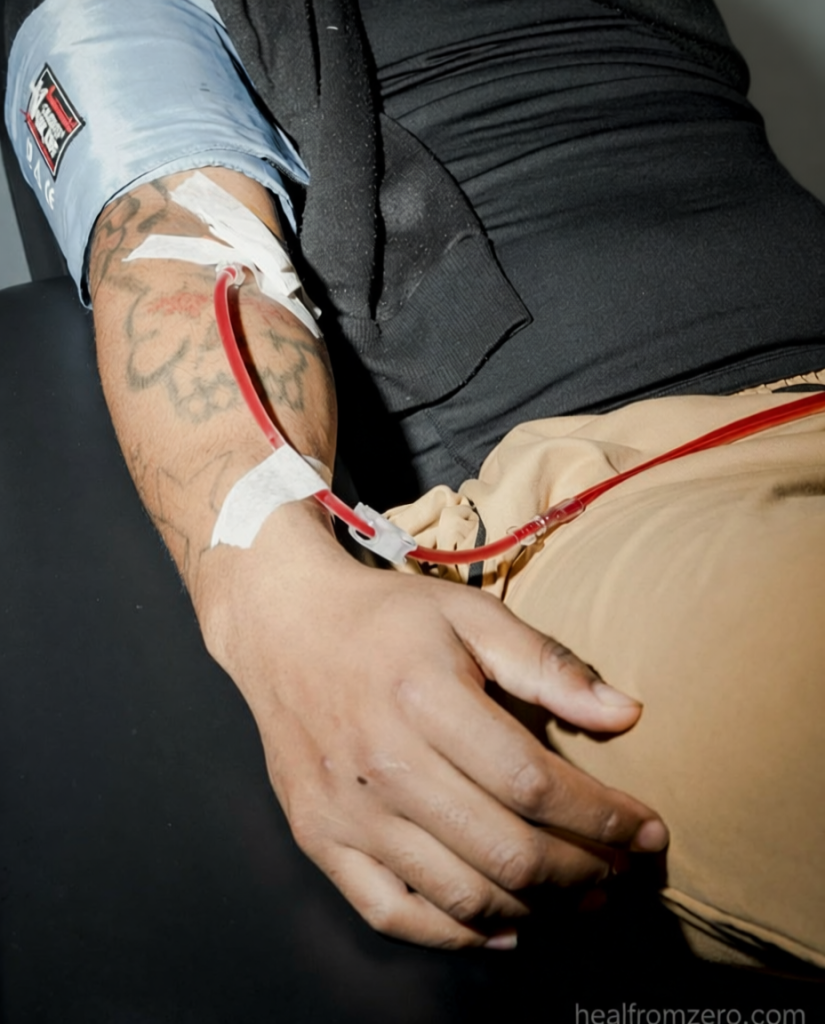
Inside a suburban Philadelphia strip mall, between the Hair Cuttery and a Citizens Bank, a dozen people lay on black ergonomic beds a few feet apart, hooked up through a needle in the crook of their arms to machines pumping blood out of their veins. They were there to sell their plasma in exchange for $65 on a prepaid debit card. Ian Pleasant, 43, had come that morning to get some extra money for toilet paper and pet food.
“I’m making enough money now doing DoorDash to keep up with the bills, but for anything else in the house, this is going to help out,” he said, as he waited for an employee at the B Positive plasma center in Holmes, Pennsylvania, to insert a thick needle into his arm.
About an hour later, the employee came back to collect a container of his straw-colored plasma that would be tested, frozen and turned into medicines sold for a profit to patients around the world. For more on this story, watch “Hallie Jackson NOW” on NBC News NOW today at 5 p.m. ET
A National Phenomenon
It’s a scene repeated by an estimated 200,000 people a day across the country as part of a multibillion-dollar business fueled by a growing number of Americans willing to trade their blood for money in an economy where many have seen their job prospects weaken, costs rise and savings dwindle.
“I’m angry that I’m working this much, that I’m educated, that I’m articulate, that I have marketable skills, and that I’m reduced to selling my plasma,” said Jill Chamberlain, in Phoenix, who has gone from making $87,000 a year to $16.11 an hour after being laid off from her job overseeing the finances of a local business in 2024. “I was ashamed at first, but now I’m angry. This is not how things are supposed to be.”
Do you have a story to share about how you’re getting by in this economy? Email reporter Shannon Pettypiece.
Economic Impact and Statistics
Last year, people in the U.S. made an estimated $4.7 billion selling about 62.5 million liters of their plasma, a more than 30% increase in the amount of plasma collected since 2022, according to Peter Jaworski, a professor at Georgetown University who studies the ethics and economics of the plasma business.
The transactions occur in more than 1,200 plasma centers — there are now more places to sell plasma than there are Costco stores — and more are popping up in solidly middle-class neighborhoods, including suburban strip malls and college towns, Jaworski said.
As America’s economic divide widens, with the top 1% of households owning more than 30% of the country’s wealth, the payments people receive for selling plasma are playing a quiet role in keeping households above water financially. Margo Thompson and her husband make around $120,000 a year in a rural corner of Idaho, but the couple started selling their plasma about a year ago to cover their car payment.