
How to Diagnose Diseases at Home Safely and Accurately
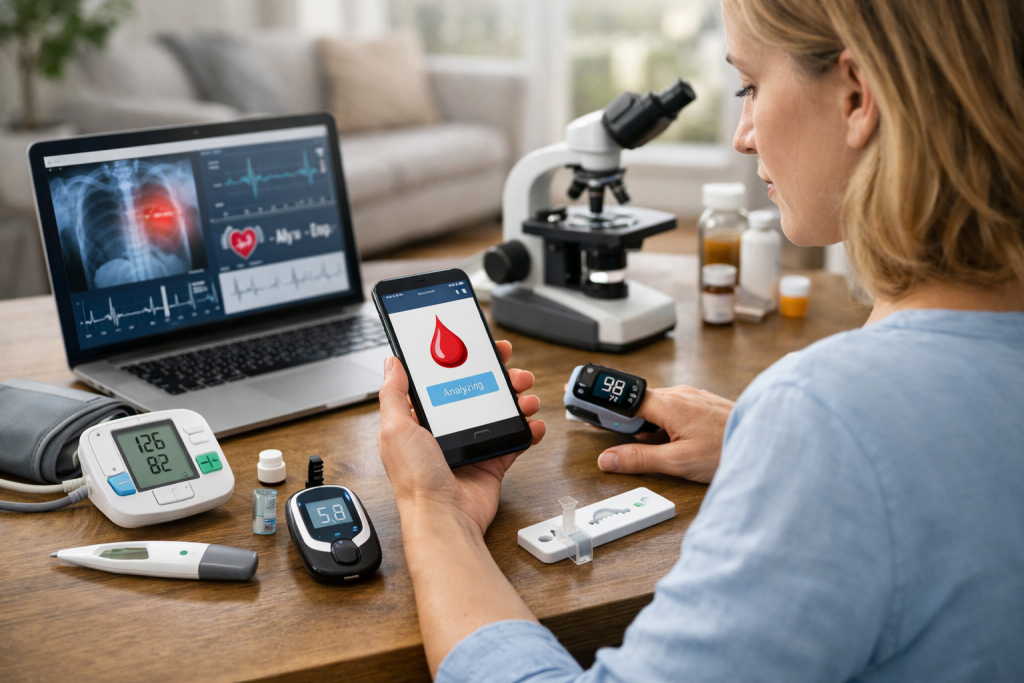
Diagnosing health problems from home has become increasingly realistic due to better health literacy, digital tools, and accessible medical information. Many people now want to diagnose diseases at home to decide whether symptoms are minor, manageable, or require professional care. When done correctly, home diagnosis can save time, reduce anxiety, and prevent unnecessary clinic visits. However, it must always be approached with accuracy, caution, and clear boundaries.
Home-based diagnosis is not about replacing doctors. It is about understanding symptoms, recognizing patterns, and making informed decisions based on reliable methods. This article explains how to safely and accurately diagnose diseases at home without exposing yourself to unnecessary risk.
Understanding What Home Diagnosis Can and Cannot Do
To diagnose diseases at home safely, you must first understand its limitations. Home diagnosis focuses on early detection, symptom tracking, and risk assessment. It does not provide definitive medical confirmation for complex or life-threatening conditions.
Many common issues such as mild infections, digestive discomfort, allergies, or viral symptoms can be evaluated at home. Chronic conditions like diabetes or hypertension can also be monitored using approved home devices. These methods help determine whether symptoms are stable, improving, or worsening.
Home diagnosis cannot replace imaging, laboratory testing, or physical examinations. Conditions involving severe pain, neurological symptoms, chest discomfort, or rapid deterioration always require medical attention. Knowing this boundary is essential for safe decision-making.
Recognizing Symptoms Systematically and Objectively
Accurate home diagnosis begins with structured symptom observation. Avoid guessing or relying on vague feelings. Instead, assess symptoms based on onset, duration, intensity, and progression.
Start by identifying when symptoms began and whether they appeared suddenly or gradually. Note how long they last and whether they improve, worsen, or remain stable. This timeline is often more valuable than the symptom itself.
Evaluate severity using clear markers such as pain scale, fever readings, or functional limitations. For example, fatigue that prevents basic activities is more significant than mild tiredness. Objective assessment reduces emotional bias and improves accuracy when you diagnose diseases at home.
Using Home Medical Devices Correctly
Home diagnostic devices play a critical role in safe self-assessment. Common tools include digital thermometers, blood pressure monitors, glucometers, pulse oximeters, and pregnancy tests. These devices provide measurable data rather than assumptions.
Accuracy depends on correct usage and calibration. Always follow manufacturer instructions and measure under consistent conditions. For example, blood pressure should be taken after resting, not immediately after physical activity or stress.
Keep records of readings rather than relying on memory. Patterns over time reveal far more than single measurements. When you diagnose diseases at home, consistent data improves reliability and helps healthcare providers if follow-up is needed.
Evaluating Information Sources Critically
Access to information is both an advantage and a risk. Many people misdiagnose conditions because they rely on unreliable online content. Safe home diagnosis requires high-quality medical sources.
Use information from government health agencies, hospital systems, and peer-reviewed medical organizations. Avoid forums, anecdotal blogs, or social media posts that lack medical oversight. Popularity does not equal accuracy.
Cross-check symptoms across multiple reputable sources. If information conflicts, assume uncertainty rather than choosing the most alarming explanation. Accurate reasoning is essential when attempting to diagnose diseases at home without professional guidance.
Differentiating Common Conditions from Red Flags
One of the most important skills in home diagnosis is recognizing red flag symptoms. These signals indicate that home assessment is no longer appropriate.
Red flags include persistent high fever, sudden chest pain, difficulty breathing, confusion, loss of consciousness, uncontrolled bleeding, or severe dehydration. These symptoms require immediate medical evaluation regardless of previous assumptions.
Common conditions usually present with predictable patterns. For example, viral infections often improve within days, while bacterial infections may worsen. If symptoms deviate from expected recovery patterns, stop home diagnosis and seek care.
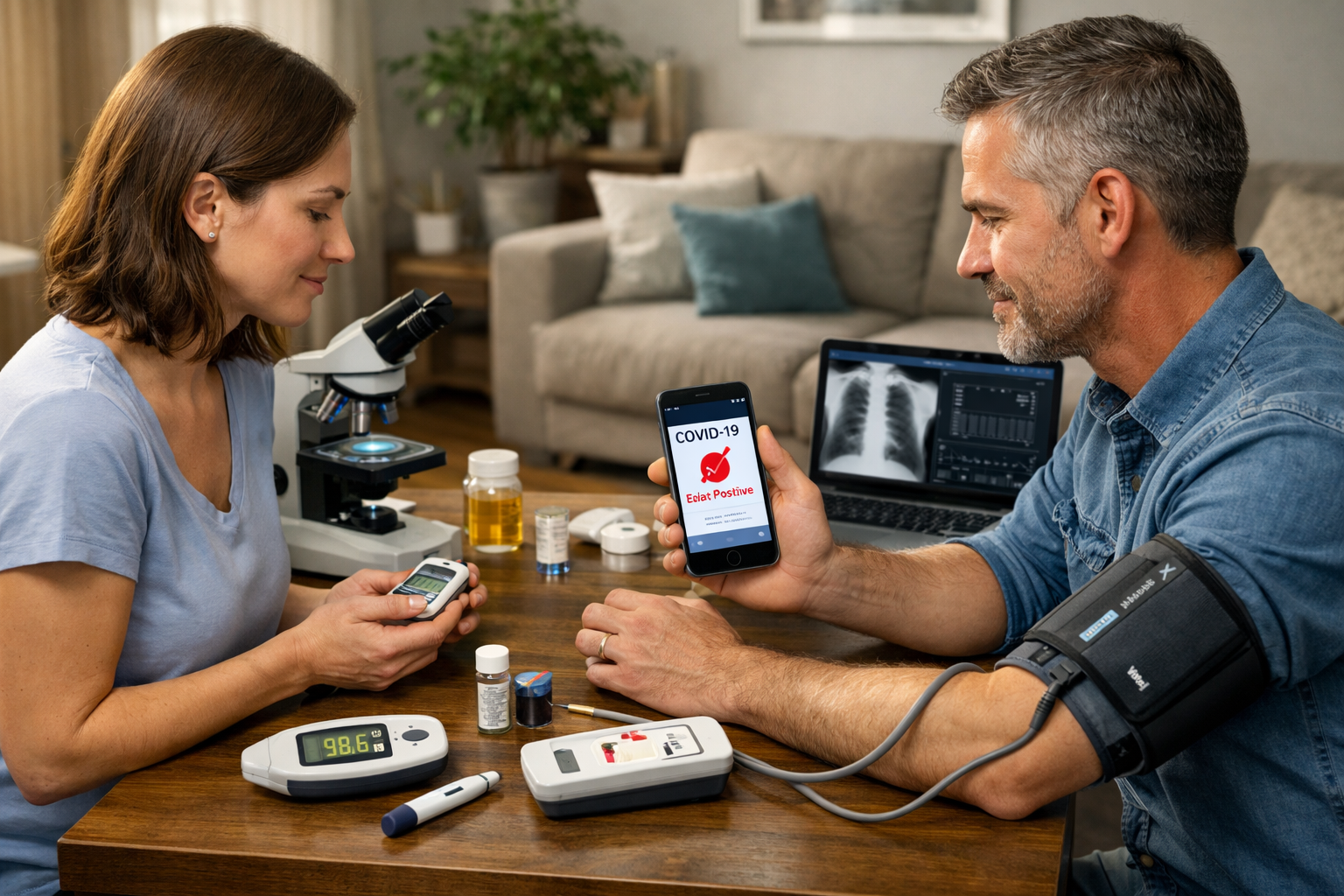
Avoiding Common Mistakes in Home Diagnosis
Many errors occur when people overinterpret minor symptoms or ignore context. The most common mistake is assuming one symptom equals one disease. In reality, many conditions share overlapping symptoms.
Another mistake is confirmation bias. People often search for information that supports their fear rather than evaluating alternatives. This leads to unnecessary anxiety and incorrect conclusions.
Self-medicating without diagnosis confirmation is also risky. Taking antibiotics, steroids, or strong painkillers without guidance can worsen outcomes. To diagnose diseases at home safely, observation must come before intervention.
Knowing When to Transition to Professional Care
Home diagnosis is a decision-support tool, not a final authority. Knowing when to stop self-assessment is a core safety principle. If symptoms persist beyond expected timelines or worsen despite home care, professional evaluation is necessary.
Chronic conditions require periodic medical review even if home monitoring is stable. Sudden changes in established patterns should never be ignored. Home data should support, not replace, clinical judgment.
Clear decision rules reduce hesitation. If symptoms interfere with daily function, cause severe discomfort, or raise uncertainty, escalate care. Responsible use of home diagnosis prioritizes safety over confidence.
Building a Safe Home Diagnosis Framework
A reliable approach combines symptom tracking, measurement, trusted information, and decision thresholds. This framework prevents impulsive conclusions and reduces risk.
Document symptoms daily using simple notes or health apps. Use validated devices for measurable data. Compare findings with credible medical guidelines rather than isolated opinions.
When you diagnose diseases at home using structure instead of guesswork, accuracy improves significantly. This disciplined approach supports early detection while maintaining safety.
Conclusion
To diagnose diseases at home safely and accurately, you must combine structured observation, reliable tools, and critical thinking. Home diagnosis works best for early assessment, monitoring, and decision-making, not definitive conclusions. Understanding limitations, recognizing red flags, and transitioning to professional care when needed ensures that home diagnosis remains a safe and effective practice.
FAQ
Q: Can I accurately diagnose diseases at home without medical training? A: You can assess symptoms and identify patterns, but definitive diagnosis often requires professional evaluation.
Q: What are the safest tools to use for home diagnosis? A: Digital thermometers, blood pressure monitors, glucometers, and pulse oximeters are commonly used and reliable when used correctly.
Q: How do I know if my symptoms are serious? A: Persistent, worsening, or severe symptoms, especially those affecting breathing, consciousness, or pain levels, indicate the need for medical care.
Q: Is online symptom checking reliable? A: It can be helpful if based on reputable medical sources, but it should never replace clinical judgment.
Q: When should I stop trying to diagnose diseases at home? A: Stop immediately if red flag symptoms appear or if symptoms do not improve within expected timeframes.