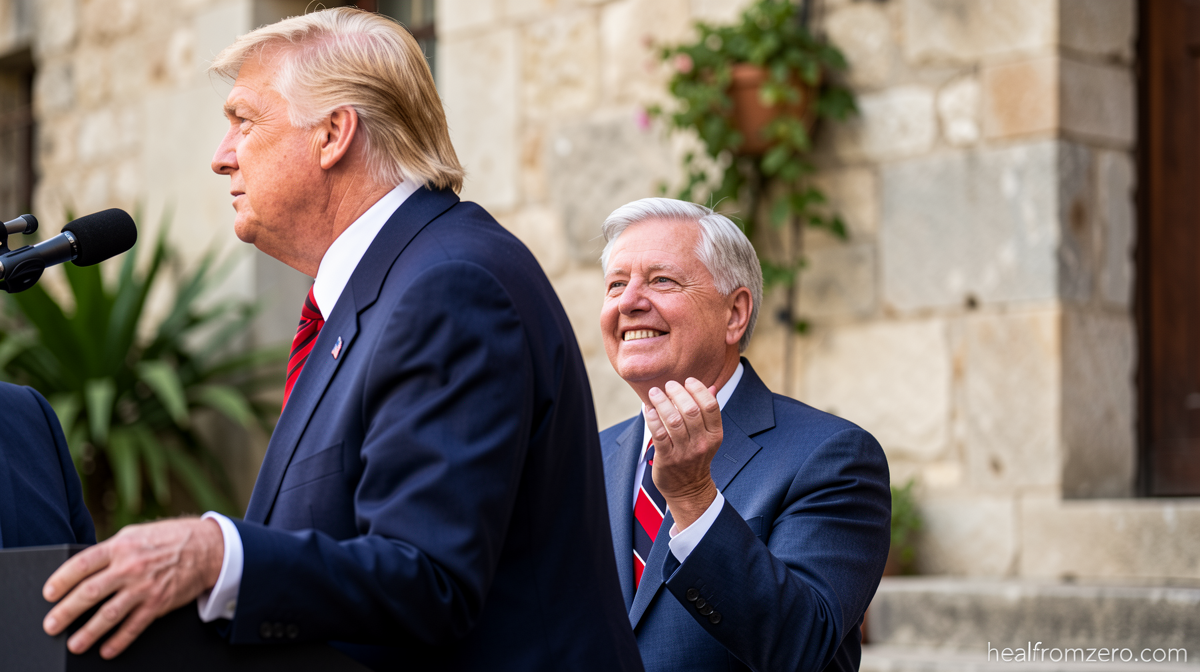
US intel assesses Putin could launch attack aimed at testing NATO unity

Daftar Isi
Washington Warns Moscow May Probe Western Alliance Through Limited Military Strike
Healfromzero.com – American intelligence officials have concluded that Russian President Vladimir Putin is considering a calculated military move designed to gauge the cohesion of the North Atlantic Treaty Organization. The potential action, which could materialize within the coming years, would involve a targeted strike against one of NATO’s member nations. This maneuver would serve as a stress test for the alliance’s collective defense commitments without triggering a full-scale military confrontation.
According to multiple sources with knowledge of the classified evaluations, the Kremlin is weighing various escalation options. These range from sophisticated cyber operations to physical incursions across borders. The central objective appears to be challenging the alliance’s unity while remaining below the level that would compel an immediate, robust allied response. Article 5 of the NATO treaty establishes that an armed attack against one member constitutes an attack against all members, creating a complex diplomatic and military calculus for Moscow.
Strategic Targets and Timing
While the precise method and timing remain uncertain, intelligence analysts believe the Baltic states or Poland represent the most probable destinations for such a provocation. These nations share borders with Russia or its allies and have historically been focal points for Russian military posturing. The window for this potential escalation extends from the present moment through the next several years, giving Putin flexibility in his decision-making process.
Officials in Washington and allied capitals suggest that the Russian leader may opt for escalation if diplomatic efforts to secure a favorable exit from the conflict in Ukraine prove unsuccessful. The timing of any action would likely correlate with Moscow’s assessment of Western political will and military readiness.
Recent Incidents Signal Growing Tensions
The intelligence assessments arrive amid a series of incidents demonstrating Russian encroachment on NATO territory. In May, a drone laden with explosives struck an apartment building in Romania during a broader Russian assault on a Ukrainian port facility. The attack resulted in injuries to two civilians, highlighting the spillover effects of the conflict into allied nations.
Earlier in the previous year, NATO fighter aircraft intercepted and destroyed several Russian drones that had entered Polish airspace while targeting Ukrainian positions. These events illustrate a pattern of Russian military activity that increasingly intersects with allied territories.
Most recently, American officials determined that an explosive-equipped drone found at a German airport on Wednesday belonged to a Russian intelligence agency. The device contained military-grade explosives and was discovered by airport personnel in a secure cargo operations zone. This incident has prompted heightened security measures across European airports.
NATO and European Responses
Martin O’Donnell, a senior military spokesperson for NATO, emphasized the alliance’s continuous preparedness.
NATO is watching and we are ready to deter and defend as necessary, which we continue to demonstrate.
He declined to elaborate on specific classified assessments but confirmed that the alliance maintains contingency plans for numerous scenarios.
German officials have also responded to the airport drone incident. Interior Minister Alexander Dobrindt noted that while drone threats are not unprecedented, the presence of an explosive-laden drone at an airport represents a novel challenge.
Drone sightings, drone threats including in a hybrid context, are something we know from the past. That a drone armed with explosives is at an airport is a new threat scenario.
The German National Security Council, chaired by Chancellor Friedrich Merz, convened on Friday to address the incident and coordinate a response.
Munitions Depletion and Defense Concerns
The intelligence assessments on Russian intentions coincide with growing worries about American military stockpiles. The ongoing conflict with Iran has significantly reduced available munitions, potentially constraining options for future engagements. CNN previously reported that approximately eighty percent of THAAD missile interceptors have been consumed in the Iran conflict compared to pre-war levels. Roughly half of the Patriot interceptor inventory has similarly been depleted.
These supply constraints are influencing how senior military leaders plan for potential conflicts, whether involving Russian escalation against NATO or confrontation with China in the Pacific theater. The depletion of critical defense systems raises questions about America’s ability to respond simultaneously to multiple threats.
Meanwhile, the humanitarian toll of Russian long-range weapons continues to rise. The United Nations reported a sixty percent increase in civilian casualties between January and June compared to the same period last year. During a single night of attacks this week, Russian ballistic and anti-ship missiles killed at least seventeen people and injured dozens more. Notably, none of these missiles were intercepted by Ukrainian air defenses, underscoring the limitations of current protective systems.
Political Reactions and Diplomatic Efforts
President Donald Trump has expressed private frustration regarding reports of diminishing American munitions reserves, particularly in light of the Iran conflict. During a Cabinet meeting at Camp David last week, the president reportedly voiced concerns about the adequacy of current stockpiles. On Truth Social, he sought to project confidence, stating that the United States maintains substantial quantities of certain munitions types and that production facilities are expanding rapidly.
The intelligence assessments also emerge as American diplomatic initiatives seek to strengthen international coalitions and address emerging security challenges. These efforts reflect a broader strategy of reinforcing alliances while preparing for potential military contingencies across multiple regions.
As NATO members review their defense postures and the United States evaluates its military readiness, the question of how Moscow will test Western resolve remains a central concern for policymakers on both sides of the Atlantic. The coming months and years will likely reveal whether Putin’s calculations favor caution or confrontation in his approach to the alliance.
Related Reading
Frequently Asked Questions
What is US intel assesses Putin could launch?
US intel assesses Putin could launch is the main topic of this guide. The article explains the context, practical details, and next steps readers should understand.
Why does US intel assesses Putin could launch matter?
US intel assesses Putin could launch matters because readers are looking for a useful answer, not just a short summary. Good content should match search intent and help them decide what to do next.